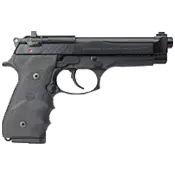
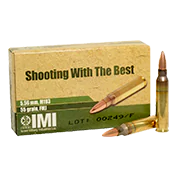
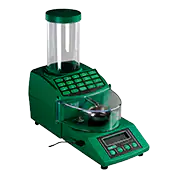
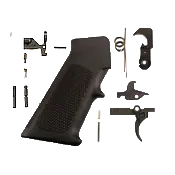
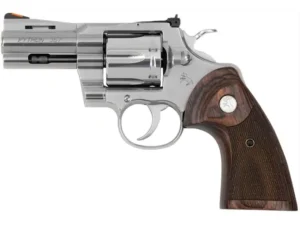
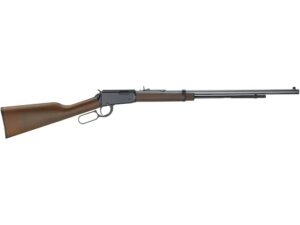
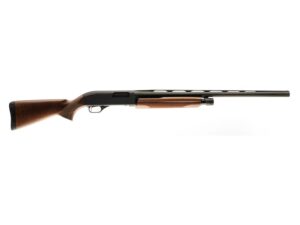
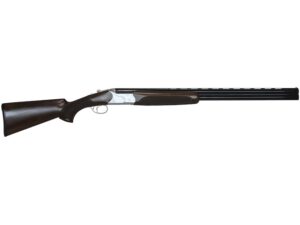
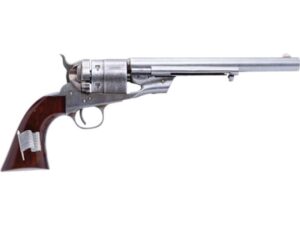
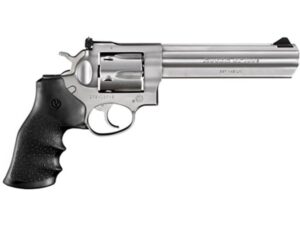
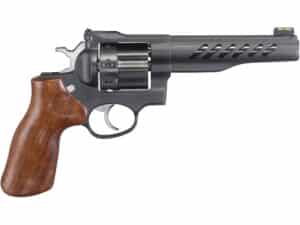
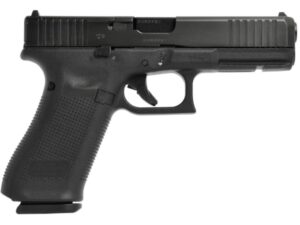
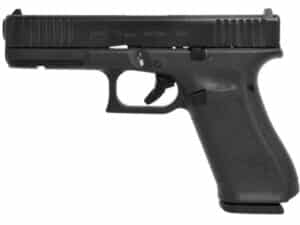
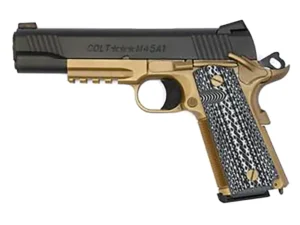
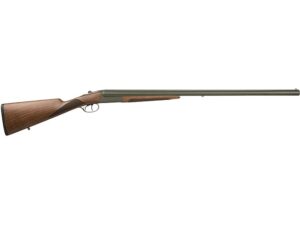
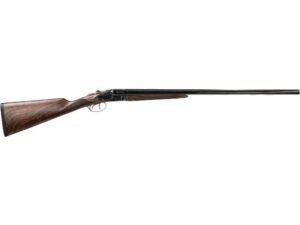
Are you looking to buy firearms online? Firearmssite.com is the perfect place for gun enthusiasts of all experience levels! Our comprehensive selection of firearms, parts and accessories offers something for everyone, from beginners looking to purchase their first firearm, to advanced shooters seeking a dependable concealed handgun or precision rifle. Enjoy unbeatable prices on everything in our store – including top brands like Smith & Wesson, Ruger, Sig Sauer, Mossberg, Springfield and more. Shop with us today and get the best firearms at the best prices – we guarantee it!
Overview of Firearmssite.com
Firearmssite.com is the premier online marketplace for firearms and firearm-related products. We offer an extensive selection of guns for sale and provide the most convenient online shopping experience for our customers. Our inventory includes firearms from top brands like Smith & Wesson, Ruger, Sig Sauer, Mossberg, Springfield and more. We also carry gun parts, hunting gear, reloading supplies or accessories at unbeatable prices! Whether you’re a first-time buyer looking for your first firearm or an experienced shooter seeking a dependable concealed handgun or precision rifle – we have something for everyone. Enjoy quick and secure shipping on any firearm directly to your preferred FFL dealer. Shop with us today and discover why Firearmssite.com is the best place to buy firearms online!
Benefits of purchasing firearms online
Purchasing firearms online offers many advantages, including convenience, selection and cost savings. With Firearmssite.com, you can buy firearms without the hassle of having to find a local store or wait in line at the gun counter. You’ll also get access to an extensive selection of firearms from top brands like Smith & Wesson, Ruger, Sig Sauer, Mossberg and more – all at unbeatable prices. And because we ship your firearm directly to your preferred FFL dealer, you don’t have to worry about picking up or transporting your new firearm yourself. Whether you’re looking for a rifle for home defense or an afternoon at the range – get it fast with Firearmssite.
Process of Purchasing Firearms Online
The process of purchasing firearms online is easy and straightforward. Simply select the firearm you prefer, choose a FFL dealer and pay for the product. Your order will be shipped to your chosen FFL dealer and you’ll need to bring a valid form of identification, such as a driver’s license or state-issued ID card, in order to pick up your new firearm. If it’s your first time purchasing firearms on the internet or the first time you’ve used our site, don’t hesitate to contact us for more information about our products and services – we’re here to help!
Tips on choosing a Federal Firearm License dealer
When purchasing firearms online, it’s important to ensure you select a Federal Firearm License (FFL) dealer that is both reputable and convenient for pickup. When choosing an FFL dealer, make sure they are licensed and have the necessary paperwork in order. It’s also important to choose a dealer that is close to your location or one that offers shipping services – this will save you time and money. Finally, don’t be afraid to ask questions about the process – after all, buying a firearm is no small purchase!
Now that you know more about firearms for sale on Firearmssite.com, start shopping with us today and find the perfect gun for your needs!